
- posted: Jun. 20, 2025
How Fleas and Ticks Affect Your Pet's Health and Well-Being from a Veterinarian Near You in Fredericksburg, VA
When we see our pets lounging peacefully or running joyfully outdoors, it’s easy to forget the tiny threats that may be hiding in their fur or waiting in the grass. Fleas and ticks, though small, can have a surprisingly large impact on a pet’s health and happiness. At Confederate Ridge Animal Hospital, your veterinarian in Fredericksburg, VA, we remind owners that these parasites are more than just a nuisance—they can be the start of much bigger problems if left unattended to.
The Constant Itch: Skin Irritation and Discomfort
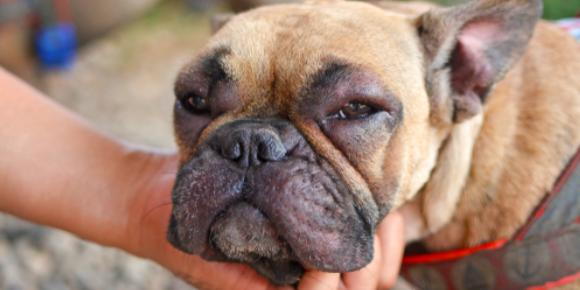
One of the first signs of flea or tick activity is persistent scratching, biting, or licking. Fleas, in particular, leave behind saliva that can trigger allergic reactions, leading to a condition known as flea allergy dermatitis. Even a single flea bite can send sensitive pets into a cycle of itching and inflammation, causing hair loss, scabs, and open sores. Ticks, while not usually as itchy, attach firmly to the skin and can cause localized irritation, redness, and more.
Blood Loss and Anemia
In heavy infestations, fleas can consume enough blood to cause anemia, especially in puppies, kittens, or smaller pets. Symptoms may include pale gums, weakness, and lethargy. While it takes a large number of fleas to reach this point, young or already ill animals can be more vulnerable to this complication. This kind of blood loss quietly drains energy from your pet, like a slow leak in a tire that eventually affects the entire ride.
Transmission of Diseases
Both fleas and ticks are carriers of various diseases that can be transmitted to pets and sometimes even humans. Fleas may spread tapeworms if swallowed during grooming, and can also carry Bartonella, the bacteria responsible for cat scratch disease. Ticks, on the other hand, are notorious for transmitting serious illnesses such as Lyme disease, ehrlichiosis, anaplasmosis, and Rocky Mountain spotted fever. These diseases can lead to joint pain, fever, lethargy, and long-term health complications.
Weakened Immune Systems and Secondary Infections
As pets scratch or bite at itchy areas, they often break the skin, leaving it open to bacterial infections. Secondary skin infections can cause further discomfort, sometimes requiring antibiotics or additional treatments to resolve. Over time, the constant irritation and immune response can place extra strain on the body, weakening your pet’s overall resilience.
Preventive Care: The Best Defense
At Confederate Ridge Animal Hospital, we emphasize prevention as the most effective approach to controlling fleas and ticks. Monthly preventive medications, regular grooming, and prompt removal of any attached ticks can significantly reduce the risks. Year-round protection is often a good idea as well.
Get Pet Flea and Tick Prevention from a Veterinarian Near You
While fleas and ticks may be tiny, their effects on your pet’s well-being can be far-reaching. Vigilance and preventative care help ensure that your furry companions stay comfortable, healthy, and free from the problems these parasites bring. Call us at (540) 373-6100 for pet flea and tick prevention from a veterinarian near you. We at Confederate Ridge Animal Hospital, your veterinarian in Fredericksburg, VA, are here to help.
Location
Find us on the map
Fredericksburg
1050 Kind St
Fredericksburg, VA 22401
(540) 371-6548
